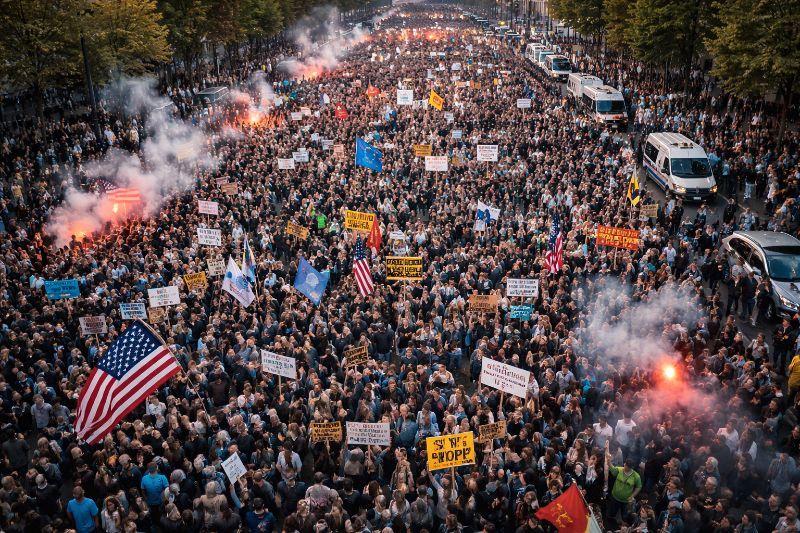

Senior diplomats from two Middle Eastern nations that have been in a state of active hostility for more than four decades held their first direct talks in history under United States mediation, in a development that regional experts describe as the most consequential Middle Eastern diplomatic initiative since the Abraham Accords of 2020.
The Talks
The initial session took place over two days at a neutral location and was attended by senior foreign ministry officials from both countries, along with American mediators from the State Department. Both governments confirmed the meetings had taken place but declined to describe the substance of discussions in detail.
The Stakes
A normalization agreement between these two nations would fundamentally alter the balance of power across the broader region, affecting energy markets, military alliances, and the position of numerous proxy groups that have operated with support from one or both governments. Regional actors with interests in maintaining the current state of hostility are expected to exert significant pressure against any agreement.
Obstacles
Diplomatic sources familiar with the talks described the discussions as preliminary and exploratory, with significant gaps remaining on every substantive issue. Domestic political opposition in both countries poses a substantial obstacle — leaders in both capitals would face severe criticism from hardline constituencies if any concessions were seen to be offered.
American Interest
The United States has strong economic and security interests in a potential normalization. American officials have described the talks as consistent with the broader objective of regional integration and stability that has guided American Middle East policy across multiple administrations.